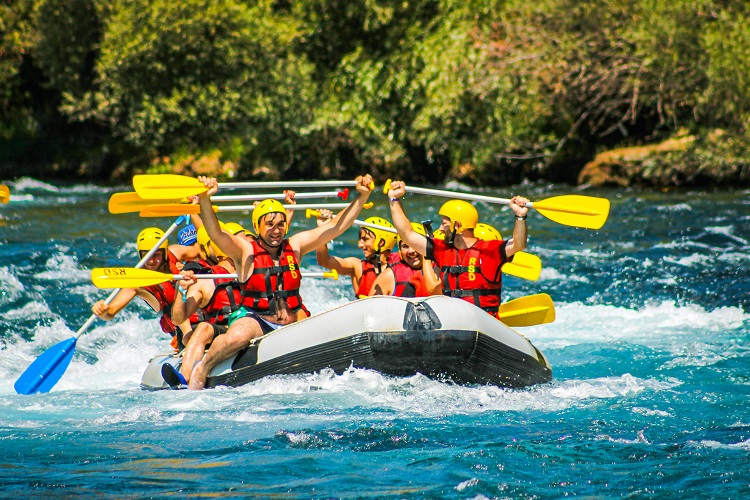
There is a particular feeling that comes from stepping outside routine and into the unknown. It might be a flutter of nerves before a challenge, the sharp focus that arrives when your attention is fully engaged, or the surge of accomplishment that follows something difficult but rewarding. Adventure creates these moments, and they have a powerful effect on motivation and personal growth.
In everyday life, comfort and predictability are often prized. While stability is important, too much of it can dull curiosity and momentum. Adventures introduce manageable stress, novelty, and uncertainty in ways that wake us up mentally and emotionally. By understanding how and why this happens, it becomes clear that chasing the rush is not about reckless thrill-seeking, but about engaging with experiences that help us grow.
The Psychology Behind the Adrenaline Rush
When we face a new or challenging experience, the body responds with a surge of adrenaline and other stress hormones. This response sharpens focus, increases energy, and heightens awareness. In safe, controlled situations, this physiological reaction can feel exhilarating rather than overwhelming.
Psychologists often describe this as optimal stress. It sits between boredom and panic, pushing us just far enough to engage fully without shutting down. Adventures create this sweet spot naturally. Whether navigating unfamiliar terrain or learning a new skill, the brain becomes fully present.
This heightened state reinforces motivation. Completing a challenge tells the brain that effort leads to reward. Over time, this association builds confidence and encourages people to seek out new goals rather than avoiding difficulty.
Stepping Outside the Comfort Zone Builds Confidence
Personal growth rarely happens inside rigid routines. Adventures disrupt familiar patterns and force adaptation. When people successfully navigate unfamiliar situations, they collect evidence of their own capability.
Confidence gained through adventure is different from confidence built through repetition alone. It is rooted in problem-solving, resilience, and trust in one’s ability to respond under pressure. This type of confidence transfers easily to other areas of life, including work, relationships, and creative pursuits.
The key is that the challenge must feel real. Activities such as South Fork American River rafting work well because they combine physical engagement, teamwork, and unpredictability within a structured environment. Participants face genuine obstacles, but with guidance and safety measures in place, allowing growth without undue risk.
Adventure as a Reset for Motivation
Motivation can fade when life becomes repetitive or overwhelming. Adventures interrupt this pattern by offering a clear beginning, middle, and end. There is anticipation beforehand, focus during the experience, and reflection afterward.
This structure mirrors goal setting. You prepare, take action, and see results. The clarity of this process can reignite motivation that has become scattered in daily life. Completing an adventure provides a tangible sense of progress that many people struggle to find in long-term projects.
Additionally, adventure often strips away distractions. Phones, emails, and background noise fade when attention is required elsewhere. This mental reset helps people reconnect with what excites them and remember what it feels like to be fully engaged.
Healthy Stress and Nervous System Regulation
Not all stress is harmful. The nervous system is designed to respond to challenge and then return to balance. Problems arise when stress is constant and unresolved. Adventures provide stress with resolution.
During a challenging experience, the nervous system activates. When the activity ends safely, the body receives a clear signal that the challenge has passed. This cycle helps train the nervous system to move more fluidly between activation and calm.
Over time, people who engage in healthy challenges often report better stress tolerance. They feel more capable of handling pressure because their bodies have practiced responding and recovering. This adaptability is a core component of resilience.
Connection, Presence, and Shared Experience
Many adventures are shared experiences. Whether with friends, family, or strangers, facing a challenge together builds connection. Shared effort and vulnerability create bonds that are difficult to replicate in low-stakes environments.
Adventure also encourages presence. When attention is required for navigation, coordination, or timing, the mind cannot drift as easily. This presence enhances enjoyment and deepens memory formation. Experiences feel more vivid and meaningful.
These social and emotional aspects contribute to growth by reinforcing belonging and trust. People often leave adventures with stories, insights, and relationships that continue to influence them long after the activity ends.
Translating Adventure Lessons into Daily Life
The benefits of adventure do not have to remain confined to vacations or special occasions. The lessons learned can inform everyday choices. Recognizing that discomfort can lead to growth makes it easier to take risks in other contexts.
This might look like pursuing a new career opportunity, starting a creative project, or addressing a difficult conversation. The body remembers the feeling of overcoming a challenge, and that memory can reduce fear of future uncertainty.
Even small adventures matter. Trying a new class, exploring a new place, or setting a physical goal can recreate the same cycle of engagement and reward on a smaller scale.
Avoiding the Trap of Constant Stimulation
While adventure can be motivating, balance is important. Chasing stimulation without reflection can lead to burnout or restlessness. The goal is not to constantly seek bigger thrills, but to choose experiences that align with personal values and capacity.
Meaningful adventure includes reflection. Taking time to notice how an experience affected mood, confidence, and perspective helps integrate growth. This integration is what turns excitement into lasting change.
Choosing adventures intentionally ensures they serve as tools for growth rather than distractions from underlying needs.
Conclusion
Adventures trigger motivation and personal growth by engaging the mind and body in ways that everyday routines often cannot. Through healthy stress, focused presence, and meaningful challenge, they help build confidence, resilience, and clarity.
Chasing the rush does not mean escaping responsibility. It means seeking experiences that remind us of our capacity to adapt and grow. When approached thoughtfully, adventure becomes more than a temporary thrill. It becomes a catalyst for lasting motivation and a deeper connection to ourselves and others.
Never Miss a Story from Mahevash Muses.