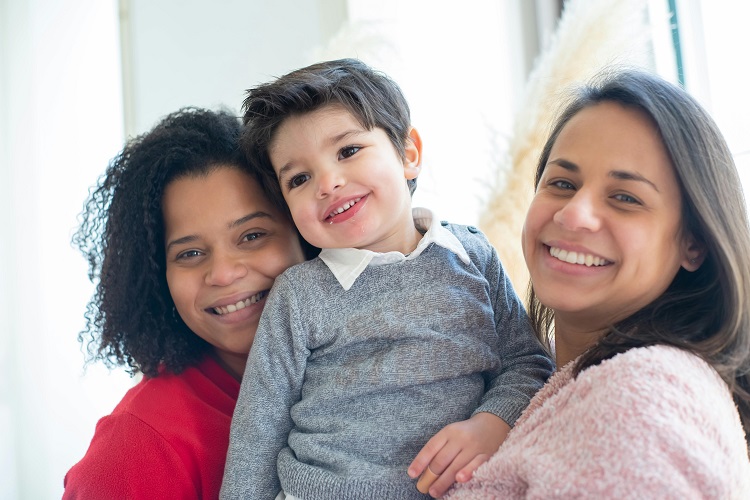
Bringing an adopted child home is a profound moment filled with hope, love, and anticipation. It is also a transition that requires patience, intention, and emotional awareness. Adoption is not a single event but the beginning of a relationship shaped by past experiences, new attachments, and ongoing adjustment for everyone involved.
For children, entering a new home often follows loss, disruption, or uncertainty. For families, it introduces new dynamics that affect routines, relationships, and expectations. Creating safety, trust, and balance from the start helps lay the foundation for healthy attachment and long‑term well‑being, not only for the adopted child but for the entire family system. Let’s take a look at the essential steps involved in welcoming an adopted child home.
Understanding the Child’s Need for Safety First
Safety is the cornerstone of adjustment for adopted children. Before trust can develop, a child must feel physically and emotionally secure. This sense of safety includes predictability, calm responses, and reassurance during moments of stress.
Many adopted children have experienced changes in caregivers, environments, or routines. Even positive transitions can activate fear or anxiety. Simple consistencies—such as regular meal times, bedtime routines, and clear expectations—help signal that this new environment is reliable.
Equally important is emotional safety. Children need to know that their feelings, including fear, sadness, or anger, are acceptable. When caregivers respond with patience rather than punishment, children begin to learn that this home is a place where they can be honest without risking rejection.
Building Trust Through Consistency and Responsiveness
Trust develops gradually, especially for children who have learned that adults may not always be dependable. Rather than being built through words alone, trust is established through repeated, consistent actions over time.
Following through on promises, responding predictably to behavior, and maintaining calm during difficult moments all contribute to trust. When caregivers show that they can handle big emotions without withdrawing or escalating, children gain confidence in the relationship.
Responsiveness does not mean perfection. Mistakes will happen. What matters is repair via actions such as acknowledging missteps, apologizing when appropriate, and reaffirming commitment. These moments teach children that relationships can withstand conflict and still remain safe.
Balancing the Needs of the Whole Family
Welcoming an adopted child affects every member of the household. Siblings may experience shifts in attention, routines, or expectations. Parents may feel pulled between meeting the adopted child’s needs and maintaining balance for the rest of the family.
Creating balance requires intentional planning. Carving out one‑on‑one time with each child helps prevent resentment and reinforces individual connections. Maintaining familiar family rituals—such as shared meals or weekly activities—provides continuity during change.
Open communication is also key. Age‑appropriate conversations about adoption, feelings, and family changes allow everyone to feel seen and heard. Balance does not mean treating every situation identically; it means meeting each family member’s needs with care and flexibility.
Navigating Big Emotions and Transitional Behaviors
Transitions often bring heightened emotions and challenging behaviors. Regression, testing boundaries, withdrawal, or intense attachment behaviors are common as children assess whether this new home is truly permanent.
These behaviors are best understood as communication rather than defiance. A child may be asking, “Will you still be here if I push you away?” or “Is this safe to trust?” Responding with empathy rather than control helps reinforce security.
Parents benefit from reframing these moments as part of the adjustment process. Support from therapists, support groups, or adoption‑informed professionals can provide guidance and reassurance during especially challenging periods.
The Role of Support Systems and Professional Guidance
No family navigates adoption alone. Support systems play a critical role in maintaining balance and preventing burnout. Extended family, friends, counselors, and adoption professionals all contribute to a stronger foundation.
Working with experienced local and state providers can lead to better outcomes, since adoption policies and available resources vary by location. For example, Florida adoption agencies operate under different legal frameworks and post‑adoption support structures than those in New York. Choosing providers familiar with regional requirements helps families access education, referrals, and ongoing resources tailored to their specific situation. Continued support also normalizes challenges and equips families with tools to address them proactively.
Seeking help is not a sign of failure. Instead, it is a commitment to the child’s well‑being and the family’s long‑term health.
Allowing Relationships to Develop at Their Own Pace
One of the most important aspects of welcoming an adopted child is releasing unrealistic timelines. Attachment is not immediate, and connection cannot be rushed. Each child brings their own history, temperament, and coping strategies.
Families who allow relationships to develop organically often experience more authentic bonds. This means celebrating small moments of connection, tolerating distance when needed, and trusting the process even when progress feels slow.
Patience creates space for genuine trust. Over time, consistent care and emotional availability help transform uncertainty into a sense of belonging.
Conclusion
Creating safety, trust, and balance when welcoming an adopted child home is a journey, not a checklist. It requires empathy, consistency, and a willingness to grow alongside the child. By prioritizing emotional safety, nurturing trust through everyday actions, and supporting the entire family system, parents build a foundation that supports healing and connection.
Adoption reshapes family life in meaningful ways. With thoughtful support and realistic expectations, families can create a home where children feel secure, valued, and truly at home.
Never Miss a Story from Mahevash Muses.