Healing is rarely a linear journey. Whether someone is coping with the loss of a loved one, navigating a major life transition, or processing emotional hardship, the path forward often involves finding ways to hold onto meaning while moving ahead. Among the many tools that support this process, tangible memories—physical objects tied to meaningful moments—play a particularly powerful role. These items serve as anchors, offering comfort, connection, and a sense of continuity during times of change.
While memories themselves are intangible, attaching them to physical objects allows individuals to revisit important emotions and experiences in a more grounded way. Tangible reminders bridge the gap between past and present, helping people process their feelings while preserving what matters most.
Creating a Sense of Connection Through Physical Objects
One of the most significant roles tangible memories play in healing is maintaining a sense of connection. When someone experiences loss or separation, there is often a deep longing to feel close to what or who is no longer physically present. Objects can help fulfill that need by acting as symbols of enduring relationships.
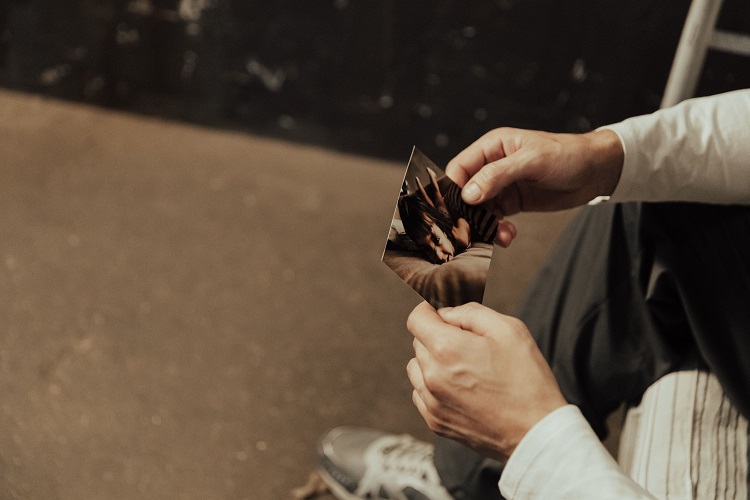
Photographs, handwritten notes, and personal belongings can carry powerful emotional weight. Holding or seeing these items can evoke memories that feel vivid and immediate, helping individuals reconnect with meaningful moments. This sense of connection can be especially important during periods of grief, when emotional distance can feel overwhelming.
Physical objects also provide a focal point for remembrance. Instead of relying solely on abstract recollection, individuals have something concrete to turn to when they want to reflect, remember, or simply feel close to someone or something important.
Supporting Emotional Expression and Processing
Healing often requires the ability to process complex emotions, and tangible memories can serve as valuable tools in this process. Objects tied to meaningful experiences can help individuals access feelings that may otherwise be difficult to articulate.
For example, revisiting a cherished item can bring both comfort and catharsis. It allows individuals to experience their emotions in a way that feels manageable, rather than overwhelming. In many cases, these moments of reflection can lead to greater understanding and acceptance of one’s feelings.
Physical mementos can also support rituals of remembrance. Lighting a candle beside a meaningful object, revisiting a keepsake during anniversaries, or even incorporating personal items into daily routines can create structured opportunities for emotional expression. These practices provide a safe and intentional way to engage with memory and emotion, supporting ongoing healing.
Preserving Legacy and Meaning
Tangible memories play a crucial role in preserving legacy. When individuals hold onto objects associated with important people or moments, they are also preserving the stories and values connected to those experiences. These items become carriers of meaning, allowing memories to be shared and passed on.
For many families, heirlooms serve as powerful examples of this. A piece of jewelry, a letter, or a personal artifact can represent generations of history and connection. In more contemporary forms, people often seek personalized items that encapsulate deeply meaningful experiences. This might include jewelry for memorial purposes, which transforms memory into something that can be worn and carried daily, offering both comfort and a tangible sense of closeness.
By preserving these items, individuals ensure that important stories and relationships continue to have a presence in their lives. This ongoing connection can provide reassurance and a sense of continuity, even in the face of change.
Providing Stability During Times of Transition
Periods of transition—whether due to loss, relocation, or significant life changes—can create a sense of instability. Tangible memories can offer a sense of grounding during these times, helping individuals maintain a connection to their past while adapting to new circumstances.
Objects associated with positive memories can serve as reminders of strength, resilience, and continuity. They act as touchpoints that reinforce identity, reminding individuals of who they are and where they come from. This can be particularly valuable when navigating unfamiliar or challenging situations.
In environments that feel new or uncertain, surrounding oneself with meaningful items can create a sense of familiarity and comfort. Even small objects can make a space feel more personal and emotionally supportive, contributing to an overall sense of well-being.
Encouraging Reflection and Personal Growth
Healing is not solely about coping—it also involves growth. Tangible memories can support this process by encouraging reflection and helping individuals make sense of their experiences.
When people revisit meaningful objects, they often engage in a form of storytelling. They recall not just the events themselves, but also the emotions, lessons, and changes that followed. This reflective process can lead to greater self-awareness and a deeper understanding of one’s journey.
Over time, the meaning of certain objects may evolve. What once represented loss may come to symbolize resilience or gratitude. This shift reflects the dynamic nature of healing, where pain and growth coexist and gradually transform. Tangible memories provide a way to track this evolution, offering insight into how individuals change and adapt over time.
Conclusion
Tangible memories hold a unique and powerful place in the healing process. By giving physical form to emotions and experiences, they help individuals maintain connections, process feelings, and preserve meaningful moments. These objects provide comfort and stability during times of uncertainty while also supporting reflection and personal growth. As individuals navigate life’s challenges, tangible reminders of what they have loved, lost, and learned can serve as enduring sources of strength and meaning.
Never Miss a Story from Mahevash Muses.