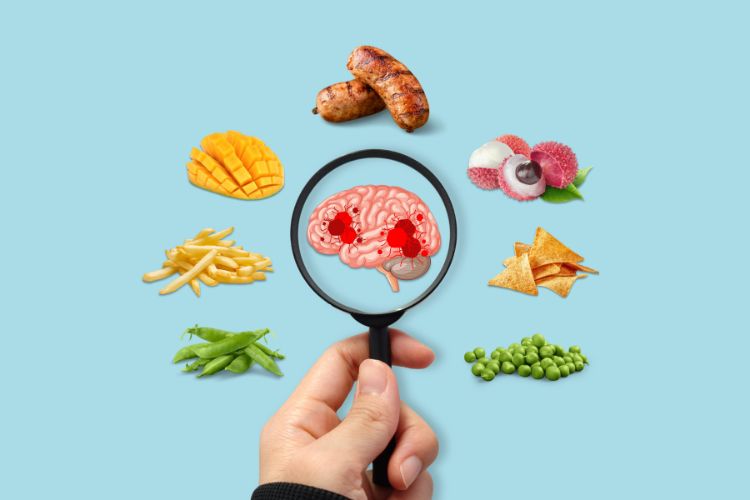
Food will not fix your life, cure anxiety, or replace therapy. Let’s get that out of the way first. Mental health is shaped by many things: genetics, relationships, trauma, money stress, sleep, identity, work, discrimination, hormones, access to care, and the world being a lot.
But food does matter. What you eat can affect your mood, energy, focus, stress response, sleep, and even how emotionally steady you feel throughout the day. Keep reading to understand how your diet affects your mental health and how small changes can impact your mental well-being.
The Food-Mood Connection Is Not a Moral Test
A thoughtful approach to food starts with removing shame. Ordering takeout after a brutal workday does not mean you lack discipline. Food choices happen inside real lives, and real lives include deadlines, low budgets, fatigue, grief, neurodivergence, family expectations, and limited access to fresh food.
At the same time, the brain needs nutrients to do its job. When meals swing between long gaps, sugary snacks, caffeine, and not much else, the body may respond with energy crashes, irritability, brain fog, shakiness, and low mood. That does not mean food causes every feeling, but it can shape the emotional weather you move through.
Your Brain Runs on Nutrients
The brain depends on a steady supply of fuel. Carbohydrates break down into glucose, which the brain uses for energy. Proteins provide amino acids, which help build neurotransmitters involved in mood and focus. Fats, especially omega-3 fatty acids, support brain cell structure and communication. Vitamins and minerals, including B vitamins, iron, zinc, magnesium, and vitamin D, also play roles in nervous system function.
This is one reason restrictive eating can mess with your head. When you do not eat enough, or when you cut out entire food groups without medical support, your body may struggle to keep up. You may feel tired, anxious, cold, distracted, or emotionally reactive.
Blood Sugar Swings Can Affect Mood
Many people underestimate how much blood sugar affects their day. A breakfast made only of sweet coffee can feel fine for a while, then suddenly leave you anxious, snappy, or exhausted. Skipping lunch may feel productive until your brain turns every minor inconvenience into a personal attack.
Balancing meals can help smooth out those spikes and crashes. Pairing carbohydrates with protein, fat, or fiber can make energy feel steadier. Think toast with eggs, rice with dal, yogurt with fruit and nuts, noodles with tofu and vegetables, or a wrap with beans and avocado.
The Gut and Brain Talk to Each Other
Another way your diet affects your mental health is through your gut. The gut and brain communicate through nerves, hormones, immune pathways, and the gut microbiome, which is the community of bacteria and other microorganisms living in the digestive system. This explains why stress can upset your stomach, why digestive issues can affect your mood, and why food can influence more than physical health.
One of the ways you can improve your mental health through your gut is by supporting a diverse, well-fed gut microbiome. The gut microbiome can help your body better manage inflammation, digest food, and produce certain compounds linked to brain function.
Ultra-Processed Foods Can Make Things Harder
Ultra-processed foods are not evil. They can be affordable, convenient, comforting, and sometimes, the only realistic option during a rough week. Still, when most of your food comes from packaged snacks, sugary drinks, refined carbs, and fast food, your body may miss out on the nutrients it needs to support mood and energy.
These foods can also be easy to over-rely on when you feel stressed, lonely, overwhelmed, or numb. That creates a frustrating loop. You feel bad, so you reach for something quick and comforting. Then your energy crashes, your digestion feels off, or your sleep suffers, and you feel worse.
Addition Works Better Than Obsession
Instead of focusing on what you can cut out, think about what you can add to your diet. Add water before your second coffee, protein to your breakfast, fruit to your snack, and vegetables to instant noodles. Consider yogurt, kefir, kimchi, idli, dosa, kanji, sauerkraut, or other fermented foods that fit your culture, taste, and budget.
This approach feels kinder because it respects your life. It also keeps food from becoming another source of anxiety. Mental health-friendly eating should not make you afraid of birthday cake, street food, comfort meals, or cultural dishes.
Caffeine, Alcohol, and Sleep Matter Too
Caffeine can be a helpful ritual, a focus tool, or the only reason some people answer emails before noon. But too much caffeine can mimic anxiety symptoms, including a racing heart, restlessness, stomach discomfort, and racing thoughts. Drinking it late in the day can also disrupt sleep, which then affects mood the next day.
Alcohol can also complicate mental health. It may feel relaxing at first, but it can worsen sleep quality, increase next-day anxiety, and lower emotional resilience. Not everyone needs to quit caffeine or alcohol completely, but paying attention to how they affect your body can be eye-opening.
Diet Culture Can Harm Mental Health
Any conversation about diet and mental health must call out diet culture. There is a huge difference between nourishing yourself and trying to shrink yourself to feel worthy. Many people, especially young women, queer people, people in larger bodies, and anyone who grew up around body shaming, have learned to treat food as a threat instead of a source of care.
Rigid food rules can increase guilt, anxiety, isolation, and disordered eating patterns. If your version of dieting makes you scared to eat with friends, obsessed with calories, or convinced that your body is a problem to solve, it may be harming your mental health more than helping it. Food should support your life, not control it.
Small Changes Can Support a Softer Life
The most sustainable food habits are usually boring in the best way. Eating breakfast before you spiral, keeping snacks around to supplement your diet between meals, drinking enough water, and choosing meals with protein, fiber, and fat.
Mental health support also looks different for different people. Someone dealing with depression may need easy meals that require almost no effort, while someone with anxiety may need to reduce caffeine and eat regularly. Consider what you want to improve in your mental well-being, and craft a nutrition plan around that goal.
Food Is One Part of Mental Health Care
Diet can support mental health, but it should not replace therapy, medication, community care, crisis support, or medical treatment. Nutrition can be part of the foundation, but it is not the whole house.
Throughout the process, don’t forget about self-respect. Feed yourself like someone you are responsible for caring for, choose foods that help you feel steady when you can, and let convenience save you when life gets messy. Your diet does not define your worth, but it can become one gentle way to support your mind in a world that asks a lot from it.
Never Miss a Story from Mahevash Muses.