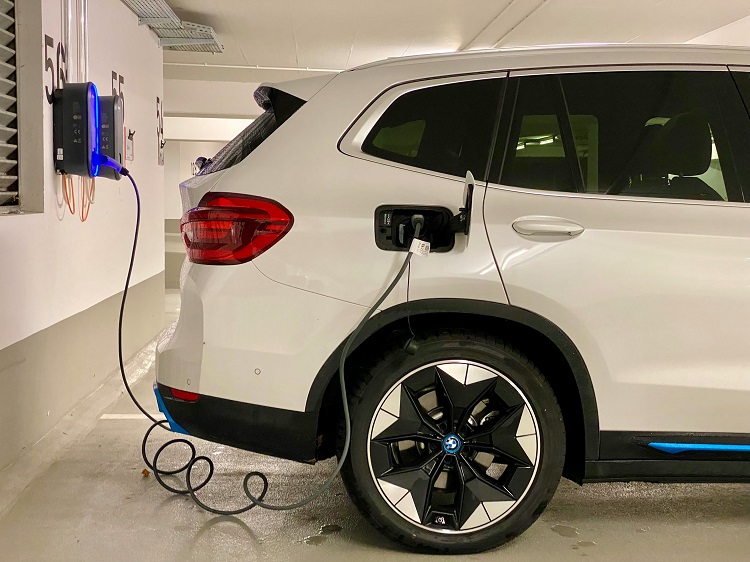
The Rising Demand for Electric Vehicles
Electric vehicles (EVs) have shifted from niche to mainstream, rapidly changing the way people think about personal transportation. EV sales continue to climb as automakers and governments double down on cleaner transportation alternatives worldwide. For homeowners, keeping pace means investing in home charging infrastructure. Upgrading with a Matthews NC EV charging station installation is no longer just about convenience—it’s quickly becoming essential for supporting current and future vehicles. Access to a personal charging station not only keeps your home up-to-date but also signals forward-thinking in a world where more drivers are choosing electric. Homeowners are discovering that embracing this technology fosters seamless daily routines and ensures their property won’t be left behind as electric mobility becomes the expectation rather than the exception.
Convenience: Charging at Home vs. Public Stations
One of the most compelling benefits of home EV chargers is the unmatched convenience. Rather than planning schedules around public charging station availability or waiting in line, homeowners gain the ability to recharge their vehicles overnight or anytime that suits them best. Waking up to a fully charged car, ready for work, errands, or weekends away, transforms the ownership experience. The simplicity and peace of mind of home charging are unbeatable, especially in suburban areas or towns where public infrastructure is growing but not yet widespread.
Cost Savings Over Time
While initial installation costs are a consideration, the long-term financial gains are hard to ignore. Charging your car at home is generally cheaper per kilowatt-hour than at most public stations, leading to significant yearly savings. Homeowners who pair their chargers with solar panels can drive those costs down even further, sometimes powering their vehicles with energy generated on their own roof. In addition, EVs require less maintenance compared to gas vehicles, as they have fewer moving parts and no need for oil changes or exhaust repairs. EV owners saved thousands over the lifespan of their vehicles—a compelling reason to make the switch.
Environmental Benefits and Sustainability
Many homeowners are motivated by the environmental impact of their choices. Installing an EV charging station at home supports a lower-carbon lifestyle by making it easy to drive electric. According to data from the Environmental Protection Agency, EVs produce significantly less pollution than their gasoline counterparts, even when accounting for electricity derived from fossil fuels. For those with access to green energy—be it solar, wind, or hydro—the environmental case becomes even stronger.
Boosting Home Value and Appeal
Real estate trends show buyers are willing to pay a premium for homes equipped with modern, energy-smart features. A built-in EV charger can set a property apart, attracting tech-savvy and eco-conscious buyers who see it as a sign of readiness for the future. As the number of EV owners grows, listings that include residential charging stations will likely become even more valuable, making this upgrade a strategic investment for those looking to maximize their home’s market appeal.
Futureproofing Your Home for Evolving Technology
The pace at which EV technology is evolving means homes must keep up. Installing a dedicated charging station today helps homeowners avoid the hassle of last-minute upgrades down the road as battery range increases and charging speeds improve. It also assures compatibility with future vehicles and supports advances, like smart charging and integration with home energy management systems. Preparing a property for the next chapter in mobility is a proactive way to ensure it remains valuable and relevant.
Incentives, Rebates, and Government Support
Governments at every level recognize the importance of encouraging electric vehicle adoption. Numerous programs offer rebates, tax credits, and special incentives to offset the costs of home charging equipment. Some utility companies also provide discounts on installation or even favorable electricity rates for EV owners. Keeping up with evolving programs at the federal, state, and local levels can dramatically increase the affordability of a charger installation, so it’s smart to research your options before getting started.
Installation and Safety Considerations
Safety is paramount when upgrading your home’s electrical system. Installing an EV charging station involves working with high-voltage equipment and local electrical codes. It’s crucial to work with licensed professionals who understand proper load calculations, grounding, and wiring requirements to guarantee both safety and durability. Routine maintenance and occasional technology updates help ensure optimal operation and minimize risk—protecting both your investment and your peace of mind.
Conclusion
As the transition to electric vehicles accelerates, homeowners who invest in EV charging stations place themselves at the forefront of a transformative movement. Whether motivated by convenience, economic savings, sustainability, or the desire to enhance property value, the benefits of home charging make it a forward-thinking upgrade. By staying ahead of evolving technology and tapping into available incentives, households can thrive in a cleaner, smarter, and more connected future.
Never Miss a Story from Mahevash Muses.