
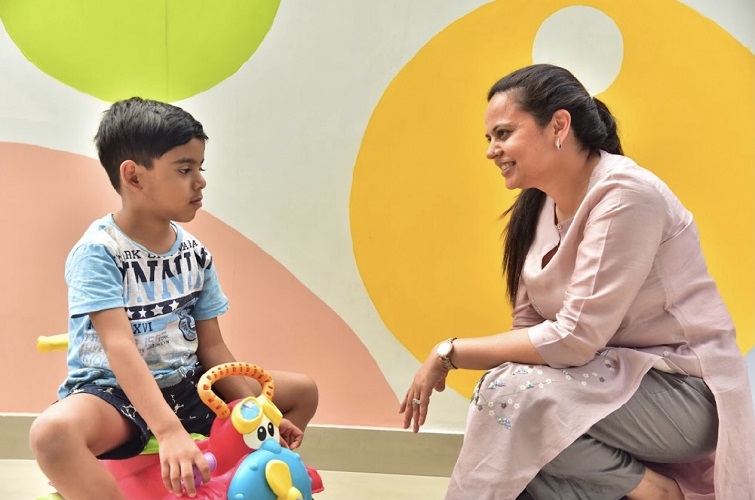
Over the last decade, the very idea of the workplace has undergone a transformation. Open offices, wellness rooms, flexible schedules, and hybrid work models are now part of the vocabulary. Alongside these shifts, one feature is steadily climbing the priority list for employees: corporate childcare. This demand is not incidental. It reflects a generational shift in values. Millennials and Gen Z are redefining what it means to have a fulfilling career and a balanced personal life. They are looking for workplaces that not only provide a paycheck but also support their overall well-being. As a result, corporate childcare is becoming an essential aspect of employee benefits, and organizations that fail to provide it may find themselves at a disadvantage in the talent market.
A New Era of Employee Benefits
Millennials, who now make up the largest segment of the workforce, are in the heart of their parenting years. They want workplaces that respect their dual identity as professionals and as parents. Gen Z, just entering the workforce, is even more vocal about holistic support and inclusivity. Together, they are reshaping what “employee benefits” really mean. For them, childcare is not a perk but a symbol of how much an organization truly values its people. By providing corporate childcare, organizations can demonstrate their commitment to supporting employees’ work-life balance and attract top talent. In fact, a growing number of companies are recognizing the importance of corporate childcare and are investing in innovative solutions to meet the needs of their employees.
The Power of Proximity
What working parents seek today are safe, stimulating environments where children can thrive while they focus on work. In design terms, this means integrating thoughtful childcare facilities into office ecosystems spaces that are accessible, flexible, and responsive to the needs of both parents and children. It is about trust as much as convenience. Some Indian organizations have already taken important steps. HCL offers in-house crèche facilities, helping employees manage demanding schedules with confidence. HPCL has invested in partnerships that allow its workforce to remain engaged without compromising on family responsibilities. The Taj group of hotels has also embraced family-friendly approaches, aligning its long-standing ethos of hospitality with employee well-being. These organizations are setting a positive example for others to follow, demonstrating that corporate childcare is not just a benefit but a strategic investment in employees’ productivity and job satisfaction.
A Business Case for Corporate Childcare
Employees who know their children are nearby and safe are able to focus more fully at work. Disruptions reduce, productivity steadies, and workplace culture improves. Retention is another critical outcome. Many employees, especially mothers, step away from their careers when balancing childcare becomes overwhelming. By offering solutions, organizations remove one of the most significant barriers to professional continuity. In fact, studies have shown that employees who have access to corporate childcare are more likely to return to work after parental leave, reducing turnover rates and recruitment costs. Moreover, corporate childcare can also lead to increased employee loyalty and engagement, as employees feel valued and supported by their organization.
Creating a Culture of Trust
What I see emerging here is more than a logistical solution; it is a cultural signal. It tells employees: you are valued not just for the hours you clock in, but for the life you live beyond these walls. For Millennials and Gen Z generations that actively seek out employers aligned with their values, this message resonates deeply. Corporate childcare becomes a marker of inclusivity, acknowledging diverse family structures and showing respect for the realities of working parents. By providing corporate childcare, organizations can create a positive work environment that supports employees’ overall well-being and fosters a sense of community and belonging.
Designing the Future of Work
For architects, designers, and workplace planners, this shift has real implications. Childcare is no longer an afterthought but part of the conversation around employee well-being. Designing spaces that integrate day-cares, play zones, or partnerships with nearby providers requires a rethinking of how corporate campuses and office towers are planned. It involves creating flexible, adaptable spaces that can accommodate the changing needs of employees and their families. By prioritizing employee well-being and work-life balance, organizations can create a competitive advantage in the talent market and establish themselves as employers of choice.
A New Standard for Workplaces
As millennials navigate school runs and Gen Z gradually steps into parenthood, the need for corporate childcare will only intensify. The organizations that prepare for this now will not only attract talent but also build resilient cultures of trust and loyalty. Corporate childcare is about much more than children. It is about creating workplaces where people can succeed professionally without having to compromise personally. By investing in corporate childcare, organizations can create a positive, supportive work environment that benefits both employees and the organization as a whole. Ultimately, corporate childcare is not just a benefit, but a strategic investment in the well-being and productivity. This is the future of work. And for Millennials and Gen Z, it is non-negotiable.
Swati Jain is the director of The Banyan, India’s leading pre-school and corporate daycare brand. A pioneer in the preschool and child daycare industry, she is a dynamic entrepreneur and social change-maker dedicated to creating empowering ecosystems for working women and fostering early childhood development.
