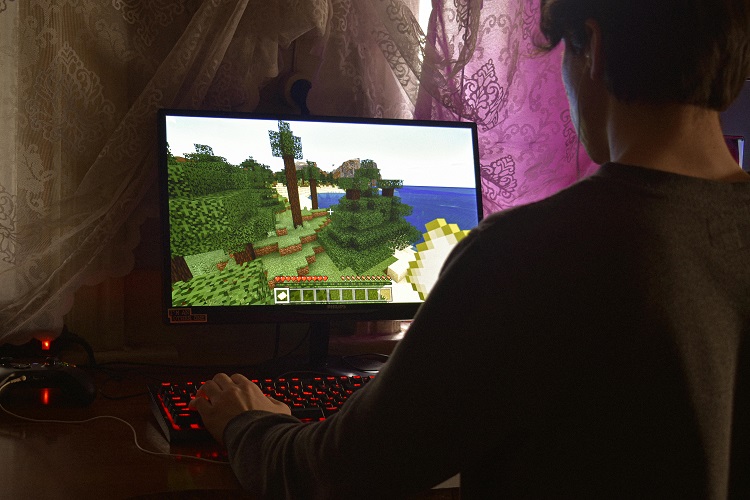
Digital gaming has often been portrayed as a pastime that encourages isolation or distraction, but recent research and real-world experiences tell a different story. For many players, gaming offers more than entertainment; it provides a sense of connection, accomplishment, and even stress relief. In an era where mental health is a growing concern, understanding the positive impact of digital gameplay can help reshape the narrative around this popular activity.
Building Social Connections Through Play
One of the most overlooked benefits of gaming is its ability to foster social interaction. Online multiplayer games create spaces where people from different backgrounds can collaborate, compete, and communicate. These virtual communities often become support networks, offering companionship and shared experiences that extend beyond the screen. For individuals who struggle with social anxiety or live in remote areas, gaming can serve as a bridge to meaningful relationships, reducing feelings of isolation and loneliness.
Stress Relief and Emotional Regulation
Gaming can also act as a powerful stress management tool. Immersing yourself in a digital world provides a temporary escape from daily pressures, allowing the mind to reset. Many games incorporate calming elements such as soothing music, creative problem-solving, or visually pleasing environments that promote relaxation. This sense of control and achievement within a game can counterbalance feelings of helplessness that sometimes accompany real-life challenges. For those who experience high levels of stress, even short gaming sessions can offer measurable emotional relief.
Cognitive Benefits and Mental Stimulation
Beyond emotional well-being, digital gameplay can enhance cognitive functions. Strategy games, puzzles, and role-playing adventures require critical thinking, planning, and adaptability. These mental exercises stimulate the brain, improving skills such as memory retention and decision-making. Engaging with complex narratives or fast-paced challenges can also sharpen focus and attention span. While moderation is key, incorporating gaming into a balanced lifestyle can support mental agility in ways similar to traditional brain-training activities.
Creating Comfort Through Familiarity
For many players, gaming consoles and accessories are more than tools; they represent comfort and familiarity. Having the right gear can make the experience more enjoyable and stress-free. For example, travelers who bring their Nintendo Switch often invest in a Switch 2 case to protect their device during transit. This simple precaution ensures that the console remains safe and ready for use, allowing players to maintain their favorite coping mechanism wherever they go. The ability to access familiar games while away from home can provide a sense of stability and continuity, which is especially valuable for those managing anxiety or mood disorders.
Encouraging Mindfulness and Flow
Certain games are designed to promote mindfulness by encouraging players to focus on the present moment. Titles that emphasize exploration, creativity, or rhythm can induce a state of flow, which is a mental state where individuals are fully absorbed in an activity. This immersive experience reduces rumination and promotes relaxation, similar to meditation. For people seeking alternatives to traditional mindfulness practices, gaming can offer an accessible and enjoyable option that delivers comparable benefits.
Conclusion
Digital gameplay is far more than a source of entertainment; it can be a meaningful contributor to mental health and well-being. From building social connections to reducing stress and enhancing cognitive skills, gaming offers a range of benefits that deserve recognition. By approaching gaming with balance and intention, individuals can harness its positive potential while avoiding common pitfalls. As technology continues to evolve, the role of digital play in supporting mental health will likely grow, offering new opportunities for relaxation, engagement, and personal growth.
Never Miss a Story from Mahevash Muses.