Anxiety has woven itself into the fabric of modern life in ways our grandparents could never have imagined. Between juggling work deadlines, family responsibilities, mounting bills, and the relentless ping of notifications demanding our attention, it’s no wonder millions of us feel like we’re constantly walking a tightrope. Sure, a little anxiety here and there? That’s just being human. But when stress becomes your unwelcome companion day in and day out, it starts taking a real toll on everything: your body, your mind, your relationships, even your ability to enjoy the good moments. If you are dealing with anxiety, here are 5 stress-relief techniques you must try.
Deep Breathing Exercises for Immediate Relief
Here’s something that sounds almost too simple to work, but trust me, it does. When anxiety kicks in, your breathing goes haywire. You start taking quick, shallow breaths that actually make everything worse, creating this feedback loop of panic. But flip the script by slowing things down, and suddenly you’re tapping into your body’s built-in chill-out mechanism.
What’s really powerful about breathing exercises is building them into your daily routine, not just pulling them out during emergencies. Spending even five or ten minutes each morning or before bed focusing on your breath creates this baseline of calm that follows you through your day. The best part? You can do this literally anywhere, stuck in traffic, sitting at your desk, lying in bed at 2 AM when your mind won’t shut up. No apps, no equipment, no special setup required.
Progressive Muscle Relaxation Techniques
Progressive muscle relaxation might sound clinical, but it’s really just a fancy name for something beautifully straightforward. You systematically tense up different muscle groups, then let them go, and in doing so, you’re teaching your body what relaxation actually feels like. Most of us walk around carrying tension we don’t even notice, clenched jaws, tight shoulders, balled-up fists. This technique makes you acutely aware of where you’re holding stress.
Give yourself fifteen to twenty minutes to complete the full sequence. What makes this approach so effective is that it tackles anxiety where it lives in your body, those headaches, that knot between your shoulder blades, the tight feeling in your chest. After practicing regularly for a few weeks, something interesting happens. You start catching yourself tensing up throughout the day and can consciously release it before it snowballs into full-blown anxiety.
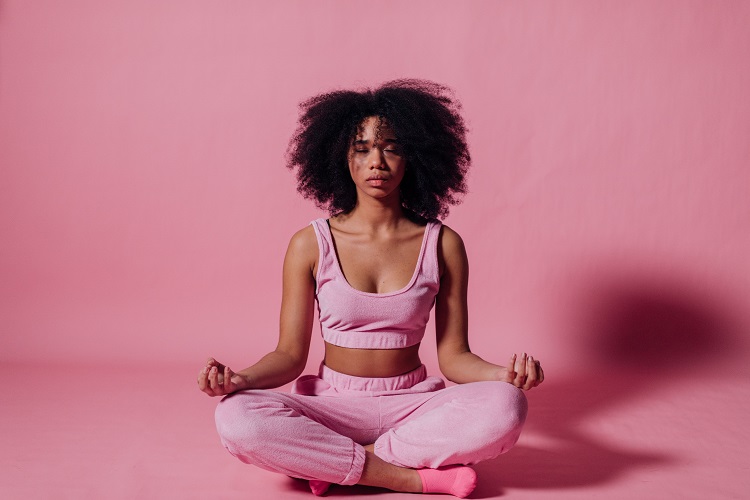
Mindfulness and Meditation Practices
Mindfulness has gotten a lot of buzz lately, and for good reason, it genuinely works. At its core, mindfulness is about planting yourself firmly in the present moment instead of spiraling into “what ifs” and worst-case scenarios. You’re not trying to force thoughts away or pretend anxiety doesn’t exist. Instead, you’re learning to observe your thoughts like clouds passing by, acknowledging them without letting them sweep you away.
There’s no one “right” way to practice mindfulness, which means you can actually find something that fits your personality. Maybe you’re into guided meditations through apps, or perhaps you prefer sitting in silence, or walking through a park with full attention on each step. Body scan meditations blend mindfulness with physical awareness, helping you connect the dots between mental and physical tension. Consistency matters way more than duration; five minutes daily beats an hour once a month.
Physical Exercise and Movement
Moving your body isn’t just about fitting into your jeans or building muscle; it’s one of the most potent anxiety-busters available, and you don’t need a prescription. When you exercise, your brain releases endorphins, those feel-good chemicals that lift your mood and dial down pain and stress. At the same time, exercise lowers cortisol and adrenaline, the stress hormones that keep you feeling wired and overwhelmed. It also helps you sleep better, which is huge since anxiety and insomnia often go hand in hand.
The secret is finding movement you actually enjoy, not forcing yourself into workouts you dread. That’s the only way you’ll stick with it. Yoga combines physical movement with breathing and mindfulness, making it a triple threat against anxiety. Group classes or team sports add a social element that combats isolation and gives you something to look forward to.
Establishing Healthy Lifestyle Habits
While specific techniques help in the moment, building a solid foundation of healthy habits is what keeps anxiety from running the show long-term. Sleep is absolutely crucial. When you’re running on fumes, everything feels harder and more overwhelming. Aim for seven to nine hours and actually stick to a consistent schedule, even on weekends. What you eat plays a bigger role than most people realize, too.
Creating some structure in your day provides a sense of control when everything feels chaotic. That might mean planning tomorrow before bed, setting realistic goals instead of overwhelming yourself, or breaking big projects into bite-sized pieces. Don’t underestimate the power of connection, either; spending time with people who get you and support you provides a buffer against stress. Think about limiting stuff that feeds anxiety, like doomscrolling through news feeds or comparing yourself to everyone’s highlight reel on social media, especially before bed. Some people find that exploring alternative relaxation methods, like convenient options such as disposable THC vapes online, provides another tool in their wellness toolkit when looking to complement their stress management approach. Building these habits takes patience and won’t happen overnight, but small, consistent changes add up to significant improvements in how you handle life’s pressures.
Conclusion
There’s no magic bullet for anxiety; it takes a combination of strategies that work together to address both immediate symptoms and the bigger picture of your well-being. The five techniques we’ve covered here– breathing exercises, progressive muscle relaxation, mindfulness, physical movement, and healthy lifestyle habits– give you a solid toolkit for managing stress and finding more peace in your daily life. Everyone’s relationship with anxiety looks a bit different, so give yourself permission to experiment and figure out what resonates with you. And listen, if anxiety starts feeling unmanageable or gets in the way of living your life, reaching out to a therapist or counselor is a sign of strength, not weakness.
Never Miss a Story from Mahevash Muses.