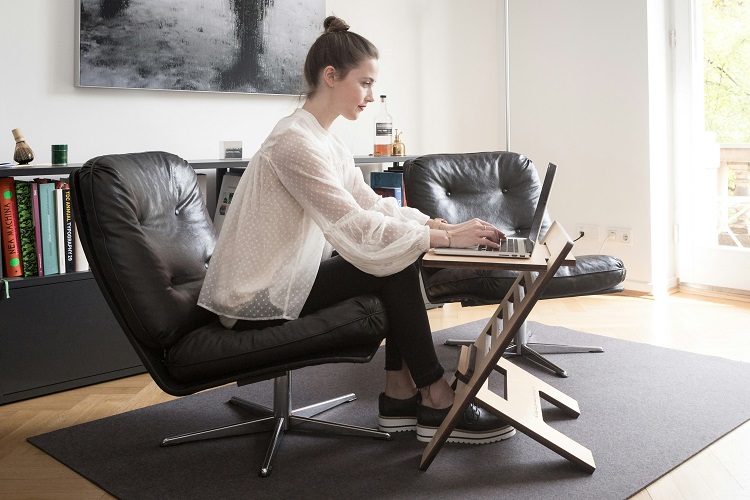
Mental health is influenced by a wide range of factors, including relationships, physical health, finances, and daily habits. However, one area that often receives less attention is the environment where we spend most of our time. Indeed, your space affects your mental health. The condition of our homes can directly influence our mood, energy levels, stress, and overall sense of well-being.
Think about how you feel when you enter a clean, organized, and comfortable room compared to a cluttered or damaged space. Our surroundings constantly provide signals that affect how we think and feel. By understanding the connection between your environment and mental health, you can make meaningful changes that support a happier, healthier lifestyle.
Clutter Can Increase Stress
Clutter has a way of making even simple tasks feel overwhelming. When belongings accumulate without organization, it can create visual distractions that compete for your attention and make it harder to relax.
Research has shown that cluttered environments can contribute to feelings of stress and anxiety. Organizing your home can help create a greater sense of control and accomplishment. Even dedicating just a few minutes each day to tidying up can make your living space feel more peaceful and manageable.
Natural Light Boosts Mood
Lighting plays a significant role in emotional wellness. Dark spaces can sometimes contribute to low energy and a lack of motivation, while bright, naturally lit environments often promote alertness and positivity.
Opening blinds, cleaning windows, and spending time in sunlit rooms can help improve your mood throughout the day. If natural light is limited, adding warm artificial lighting can also make a room feel more welcoming and comfortable.
Organization Improves Focus
A well-organized space helps reduce distractions and supports clearer thinking. Whether you work from home, study, or manage household responsibilities, having designated areas for important items can make daily tasks easier and less stressful.
Organization does not require perfection. Simple systems for storing belongings, managing paperwork, and maintaining cleanliness can improve efficiency while reducing frustration. A functional living environment often contributes to better concentration and productivity.
Comfort Encourages Relaxation
The comfort level of your home can significantly influence emotional well-being. Uncomfortable furniture, constant noise, poor temperatures, or crowded spaces may make it difficult to fully relax after a busy day.
Creating comfortable areas where you can unwind helps promote emotional recovery and stress relief. Soft furnishings, calming colors, cozy lighting, and relaxing décor can make your home feel like a true sanctuary from daily pressures.
Indoor Air Quality Matters
Many people underestimate the impact that indoor air quality can have on mood and overall health. Poor ventilation, excess moisture, dust, and mold can contribute to discomfort while affecting both physical and mental well-being.
Improving ventilation, changing air filters regularly, and maintaining a clean home can create a healthier indoor environment. When your body feels more comfortable, your mind often benefits as well, making it easier to maintain a positive outlook.
Address Home Damage Quickly
Property damage can create ongoing stress for homeowners. Water damage, fire damage, mold growth, and structural issues often serve as constant reminders of unresolved problems, making it difficult to feel comfortable in your own space.
Many homeowners work with a reputable Cincinnati restoration company when dealing with significant property damage that affects safety, comfort, and livability. Promptly addressing these issues helps restore peace of mind while creating a healthier environment for you and your family.
Add Personal Touches
Your home should reflect your personality and interests. Incorporating meaningful artwork, family photos, plants, and decorative items can help create a stronger emotional connection to your space.
Personal touches make a home feel more welcoming and enjoyable. When your environment reflects who you are, it often contributes to a greater sense of comfort, identity, and happiness.
Develop Healthy Household Habits
Maintaining a positive environment requires ongoing habits rather than one-time improvements. Regular cleaning, decluttering, and home maintenance help preserve the comfort and functionality of your living space.
Creating simple routines can make household tasks feel less overwhelming while preventing problems from accumulating over time. Consistency helps ensure your home remains a place that supports your physical and mental well-being.
Conclusion
The spaces we inhabit have a powerful influence on our mental health. Clutter, poor lighting, uncomfortable surroundings, and unresolved property issues can contribute to stress and anxiety, while organized, comfortable, and well-maintained environments can support emotional wellness.
By making thoughtful improvements to your home and maintaining healthy household habits, you can create a space that promotes relaxation, productivity, and peace of mind. Investing in your environment is ultimately an investment in your overall well-being and quality of life.
Never Miss a Story from Mahevash Muses.