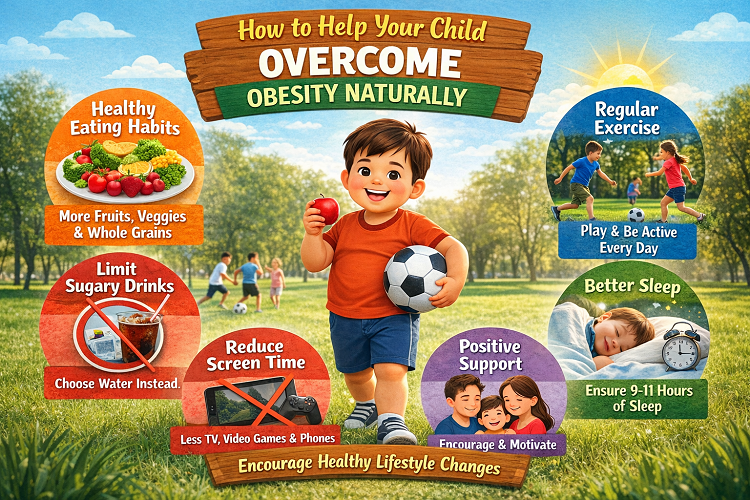
The childhood stage brings forth both physical development and mental growth. The natural process of weight gain occurs because children experience a growth in their overall strength and height. The gradual increase of body weight, which exceeds normal height growth, results in obesity, which stands as a persistent medical condition affecting both bodily and mental health.
Children experiencing obesity often get exposed to heart disease, diabetes, joint issues, and low self-esteem. The main concern is that obesity can persist in adulthood. How to reduce obesity in children naturally? Parents can help their children achieve a healthy lifestyle through family support. Read this blog for more relevant information.
What Is the Cause of Obesity in Children?
Childhood obesity does not occur in a short span of time. It normally takes place because of a combination of factors:
- Taking in an excess amount of calories.
- Limited physical activity
- Excessive screen time
- Inadequate sleep
- Genetic predisposition
- Some drugs or diseases
In other cases, the health of the mother during pregnancy (e.g., excessive weight gain) can impact the weight risk of a child as well.
Adequate knowledge of these reasons will make parents concentrate on long-term solutions instead of short-term solutions.
Natural Ways to Help a Child Lose Weight
1. Consume Complementary, Nutritious Food
Food products that contain nutrients are significant to sustain growth. Rather than trying to put an obese child on a restrictive diet, one should consider giving them a healthy diet.
Healthy children’s plates must include some of the best foods to lose weight:
- Fresh fruits and vegetables
- Wholesome grains (brown rice, oats, or whole wheat).
- Fruits and vegetables (spinach, beans, vegetables, fruit)
- Calcium and Vitamin D (dairy or other substitutes).
Consumption of added sugar, sodium, and unhealthy fats should be avoided. Packaged food and junk food, such as candy, offer a lot of caloric value without any form of nutrition.
Helpful Tips for Parents
- Serve fresh fruits as snacks.
- Instead of soda and cold drinks, serve milk.
- Do not make children clean their plates if they are full.
- Do not use the terms good and bad in the context of food. Instead, teach your children to moderate their portions.
2. Make Movement a Daily Habit
Exercises for obese children at home are key to good body weight and general growth.
What is the required amount of exercise for children?
- 3-5 years: Full day active play.
- Ages 6-17: Minimum of 60 minutes of activity daily.
This should include:
- Aerobic exercises (running, bicycling, dancing)
- Strengthening (muscle-strengthening) exercises (climbing, playground games)
- Activities that strengthen the bones (jumping rope, basketball)
Exercise should not be treated as a duty but as a fun activity.
How parents can help an overweight child:
- Evening walks after dinner
- Weekend hikes or cycling
- Backyard games
- Walking the dog together
- Registering your child in a sport he or she likes.
With parents on board, there is a much better chance of children remaining consistent.
3. Strategize on Reducing Screen Time
Children are highly associated with excessive screen use that leads to weight gain. It decreases physical exercise and promotes unhealthy snacking.
Professionals suggest that the amount of recreational screen time should not exceed 1-2 hours a day.
Simple Strategies for Safe Weight Loss for Kids Naturally:
- Keep bedrooms screen-free
- Switch off appliances at dinnertime.
- Do not watch TV and eat at the same time.
- Make a media family schedule.
Children will always seek active ways of consuming their time when screens are restricted.
4. Make Healthy Sleep Patterns a Priority
The role of sleep in weight regulation is surprisingly strong. Insomnia breaks the hunger hormone and enhances the desire for high-energy foods.
Recommended Sleep Duration:
- Preschoolers: 10–13 hours
- School-aged children: 9–12 hours
- Teens: 8–10 hours
To improve sleep quality:
- Set a consistent bedtime.
- Move electronic gadgets out of the bedroom.
- Create a relaxing sleep habit.
- No screens should be allowed within 1 hour of sleep.
Restful sleep helps in the development of better metabolism, attention, and mood.
5. Create a Nurturing Home Environment
Learning for children is a matter of observation. When parents want to lead healthy lives, children will follow the example.
Lead by Example:
- Eat balanced meals together
- Stay active as a family
- Do not use food as a reward or punishment
Preparation of food also educates children on nutrition and portioning.
6. Collaborate With Healthcare Practitioners
Regular check-ups on the well-being of children enable the health care professionals to monitor the growth pattern and detect any issues in the early stages. Consult: In case your child is rapidly gaining weight.
- A pediatrician
- A registered dietitian
- A childhood obesity expert
Professional advice helps make changes that are safe, age-adapted, and permanent.
Final Thoughts
You don’t have to start a rigid diet or intense physical exercise to help your child overcome obesity. It is about the ability to create the environment at home that helps with balanced eating, frequent activity, enough sleep, and good habits.
Begin by making one or two small changes that you can handle, remain patient, and rejoice over the progress that is beyond the numbers on the scale scale.
The foundation for a healthier adulthood is healthy habits developed during childhood. You can contact a reputable dietitian in Gurgaon, and these professionals will help you with customized diet plans and charts.
Never Miss a Story from Mahevash Muses.