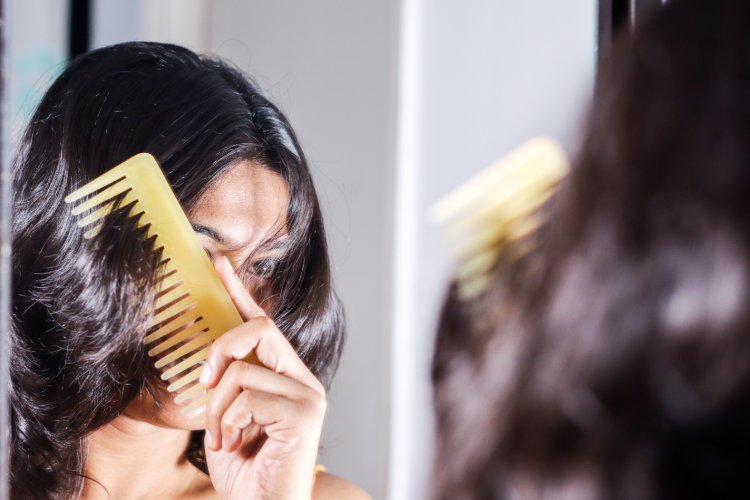
When you’re burned out, even small tasks can feel weirdly huge. Hair care is one of those things that can slip from “normal routine” to “absolutely not happening today” without warning. That feeling doesn’t mean you’re lazy, unhygienic, or failing at self-care. It means your energy is limited, and your routine needs to meet you where you are. Here are ideas for a low-effort hair care routine that you can still follow when you’re burned out.
Focus on Clean, Detangled, Protected
On a good day, your hair routine might include extra steps because you enjoy them or because they help you feel more put together. On a burnout day, it helps to shift the expectation from “doing it all” to only doing what truly matters. The simplest version has three priorities: clean, detangled, and protected. Your hair doesn’t need to look polished to be cared for.
A bare-minimum routine can include:
- washing only when your scalp truly needs it
- conditioning the areas that tangle most
- detangling gently from ends to roots
- using loose styles instead of tight ones
- loosely securing your hair before you sleep if it tangles overnight
Choose an Energy-Friendly Wash Schedule
There is no perfect wash schedule that works for every person. Hair texture, scalp oil, sweat, styling products, weather, and lifestyle all affect how often washing feels necessary. The goal is not to follow a rule; it is to notice when your scalp feels uncomfortable, itchy, oily, or weighed down.
Try building your wash schedule around your real energy patterns. For example, washing on a calmer evening may feel easier than rushing through it before work, school, or plans. You can also separate the process into smaller parts, like washing one day and styling more intentionally the next.
Use Dry Shampoo
Dry shampoo can help on days when a full wash feels impossible. It’s best used as a temporary refresh, not a replacement for cleansing your scalp altogether. Apply it near the roots, give it time to absorb oil, then brush, shake, or massage it through if that works for your hair texture.
Pay attention to how your scalp responds. If dry shampoo starts causing itchiness, heaviness, flaking, or buildup, your scalp may need a proper wash rather than another refresh.
A lower-effort wash day is easier when fewer decisions are involved:
- Keep shampoo, conditioner, and a comb together.
- Wash your scalp more thoroughly than the ends of the hair.
- Condition mainly from mid-lengths downward.
- Use a microfiber towel or a cotton T-shirt.
- Let your hair dry in its natural shape.
Make Detangling Less Stressful
Detangling can feel especially irritating when you are already overstimulated or tired. However, rushing through knots can create more breakage and frustration. Instead of treating detangling like a battle to get through quickly, make it slower, softer, and less emotionally charged. Gentle brushing is also one of the most important steps in preventing split ends.
Start at the ends and work upward in small sections. Use water, conditioner, or leave-in spray if your hair needs more slip before a comb or brush moves through it comfortably. If you feel yourself getting angry or overwhelmed, pause and come back to it rather than forcing your way through.
Skip Heat When Possible
Heat styling isn’t wrong, and nobody needs to give up blow-dryers and styling tools forever. The issue is that heat can add time, effort, and potential damage when your energy is already low. On burnout days, skipping heat can be better for both your patience and your strands.
Try swapping hot tools for styles that work with your hair’s natural texture. Use a microfiber towel or cotton T-shirt to absorb extra water, then add a leave-in product if your hair needs softness or hold. Loose braids, twists, buns, claw clips, scarves, or air-dried waves can help your hair feel intentional without requiring a full styling session. If you do need heat, use the lowest effective setting and stop once your hair is dry or shaped enough.
Protect Your Hair While Sleeping
Nighttime hair care is easy to ignore because it happens when you are already done with the day. But sleep friction can contribute to tangles, frizz, dryness, and breakage, especially if your hair is long, textured, color-treated, or fragile. A little protection before bed can make the next morning less chaotic.
A loose braid, a pineapple, a bonnet, or a satin scarf can all help reduce friction. The most hands-off option is to sleep on a silk-style pillowcase. Silk is smoother than many other fabrics, so it creates less friction, helps reduce tangles, and can minimize frizz while you sleep.
Try Low-Tension Styles
Sometimes, it’s tempting to pull hair into a tight bun and move on. That may feel efficient and simple, but repeated tension can stress your scalp and hairline. Low-tension styles are a gentler way to keep your hair out of the way.
Try loose braids, low buns, claw clips, soft ponytails, twists, scarves, or protective styles that do not pull. Comfort matters as much as appearance, especially when your nervous system is already stretched. If a style gives you a headache, leaves your scalp sore, or feels tight around your edges, it is probably asking too much from your hair.
Build a Routine That Supports You
There can also be an emotional side to building a routine that actually lasts. Hair is often tied to identity, culture, confidence, and the expectations placed on our appearance, so “just do less” can be harder than it sounds. When care starts to feel unmanageable, the goal is not to feel guilty about what you skipped, but to make the next step small enough to begin.
The best low-effort hair care routine is one that removes shame instead of adding more rules when you’re burned out. It should help you feel a little more comfortable, not punish you for having limited energy. Some weeks, consistency will look like wash day, detangling, and styling; other weeks, it will look like keeping your hair protected until you can do more.
You can simplify your beauty routine and still take good care of yourself. You can care about your hair without turning it into another thing you have to get “right.” A supportive routine should fit your schedule, texture, budget, mental health, and real life.
Never Miss a Story from Mahevash Muses.