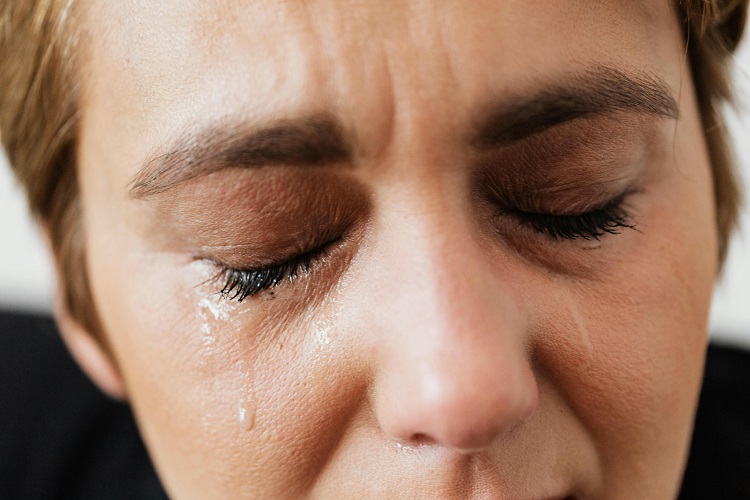
Trauma leaves an imprint that is rarely as visible as a broken bone or a stitched wound. The aftershocks often arrive quietly through disrupted sleep, sudden fear, exhaustion, or a sense that life no longer feels predictable. Many people think they should be able to “move on” quickly after experiencing something frightening or destabilizing, but trauma does not adhere to a schedule. Emotional and psychological reactions unfold at different speeds for different people. Acknowledging this truth is the foundation of healing. It is truly ok to not be ok, and giving yourself the space to understand your reactions is an essential part of recovery.
Understanding the Lingering Effects of Trauma
Trauma can involve an accident, violent event, natural disaster, medical emergency, or any sudden disruption to safety and security. After the event has passed, the human body and mind often remain alert, scanning for danger long after the immediate threat is gone. This can manifest as heightened sensitivity to noise, difficulty concentrating, irritability, or recurring memories of the moment that changed everything.
These reactions are not signs of weakness. They are signs that the nervous system is still trying to process an overwhelming experience. Many people feel pressure to “get over it” quickly because they appear physically fine or because life responsibilities resume at full pace. Acknowledging that your reactions are valid instead of fighting them can ease the burden. Healing begins when you accept that what you experienced was significant and that the emotional response is a natural part of being human.
Giving Yourself Permission to Feel
One of the hardest parts of coping with trauma is accepting that your emotions may not follow logic or expectation. You might feel sorrow when you expect anger, fear when you expect relief, or numbness when you expect intense emotion. This variation is normal. Trauma interrupts the brain’s usual pathways, and it takes time for the mind to reestablish its sense of normalcy.
Allowing yourself to feel without judgment can help you regain balance. Crying, journaling, speaking with a supportive friend, or simply sitting quietly to observe your emotions can help you release the pressure of holding everything inside. There is no correct timetable for recovery. Some people feel better within days, while others need months or longer. What matters is that you treat yourself with compassion instead of frustration.
When Trauma Stems from a Crash or Other Sudden Accident
Accidents are one of the most common sources of lingering trauma. Even when injuries heal, the emotional imprint can remain. A simple drive past the location of the event may bring back memories you thought had faded. Loud noises, sudden movements, or crowded roads can trigger tension and avoidance. These reactions can interfere with daily life and add stress to routines that once felt automatic.
In some cases, part of the emotional weight comes from the feeling of injustice. If someone else caused the accident, the lack of closure or accountability can make emotional healing more difficult. Working with a California car accident lawyer or one in your area can help you understand your rights and pursue fair compensation. For many people, seeking justice is not only about financial recovery. It can help restore a sense of agency and closure that supports emotional healing.
Building a Support System That Understands Trauma
Trauma recovery is not meant to be managed alone. Friends and family can offer comfort, but they may not always understand the depth of what you are experiencing. Professional support, such as therapy or counseling, can provide tools that help you process triggers and rebuild confidence in your daily life.
Support groups can also create a sense of community. Knowing that others have faced similar feelings can lessen the isolation that often accompanies trauma. Whether online or in person, these groups allow people to share experiences without fear of being misunderstood.
Healthy coping strategies such as controlled breathing, grounding exercises, physical activity, or creative outlets can also help regulate emotional responses. Small routines can create a sense of stability. Every positive step counts, even if it feels small compared to the size of what you are carrying.
Moving Forward at Your Own Pace
Healing from trauma is not a straight path. You may feel strong one day and thrown off by unexpected reminders the next. This fluctuation does not mean you are failing. It means you are healing. Recovery rarely looks smooth or predictable, and placing pressure on yourself only adds difficulty to an already complex process.
Give yourself permission to move forward at the pace your body and mind require. Some days that might mean taking a long walk or completing a task that once felt overwhelming. Other days it may mean resting or saying no to additional responsibilities. Progress is not measured by how quickly you return to your old self but by how you learn to support yourself through the challenges that arise.
Conclusion
Trauma changes lives, but it does not define them. The aftershocks of a frightening experience can linger, but acknowledging them is an act of strength. Healing takes patience, compassion, and sometimes outside support, but it remains entirely possible. It is ok to not be ok as you navigate the path toward recovery. By honoring your emotions, seeking support when needed, and giving yourself grace throughout the process, you create space for resilience to grow and for hope to return in its own time.
Never Miss a Story from Mahevash Muses.